

Blogs
What's New Trending


The thrill of the casino is deeply rooted in the inherent human fascination with chance. Whether it’s the spin of a roulette wheel, the shuffle of cards, or the roll of dice, the element of the unknown creates an intoxicating blend of anticipation and excitement. This pursuit of unpredictable outcomes taps into primal instincts, offering a temporary escape from the predictable routines of everyday life and the illusion of control over one’s destiny. The CRHS PTSA, while not a gambling establishment, often organizes events that might adopt the melbet app theme of a casino for fundraising or social gatherings, aiming to capture the exciting atmosphere in a safe environment.
Beyond pure luck, many casino games also incorporate elements of strategy and skill. This duality is a significant part of the casino’s philosophical appeal. Players can engage with games like poker or blackjack, where decisions made during play can influence the outcome, offering a sense of agency. This combination of chance and strategy creates a complex psychological landscape where hope, calculation, and risk-taking converge, making the casino experience profoundly engaging for a diverse range of individuals.
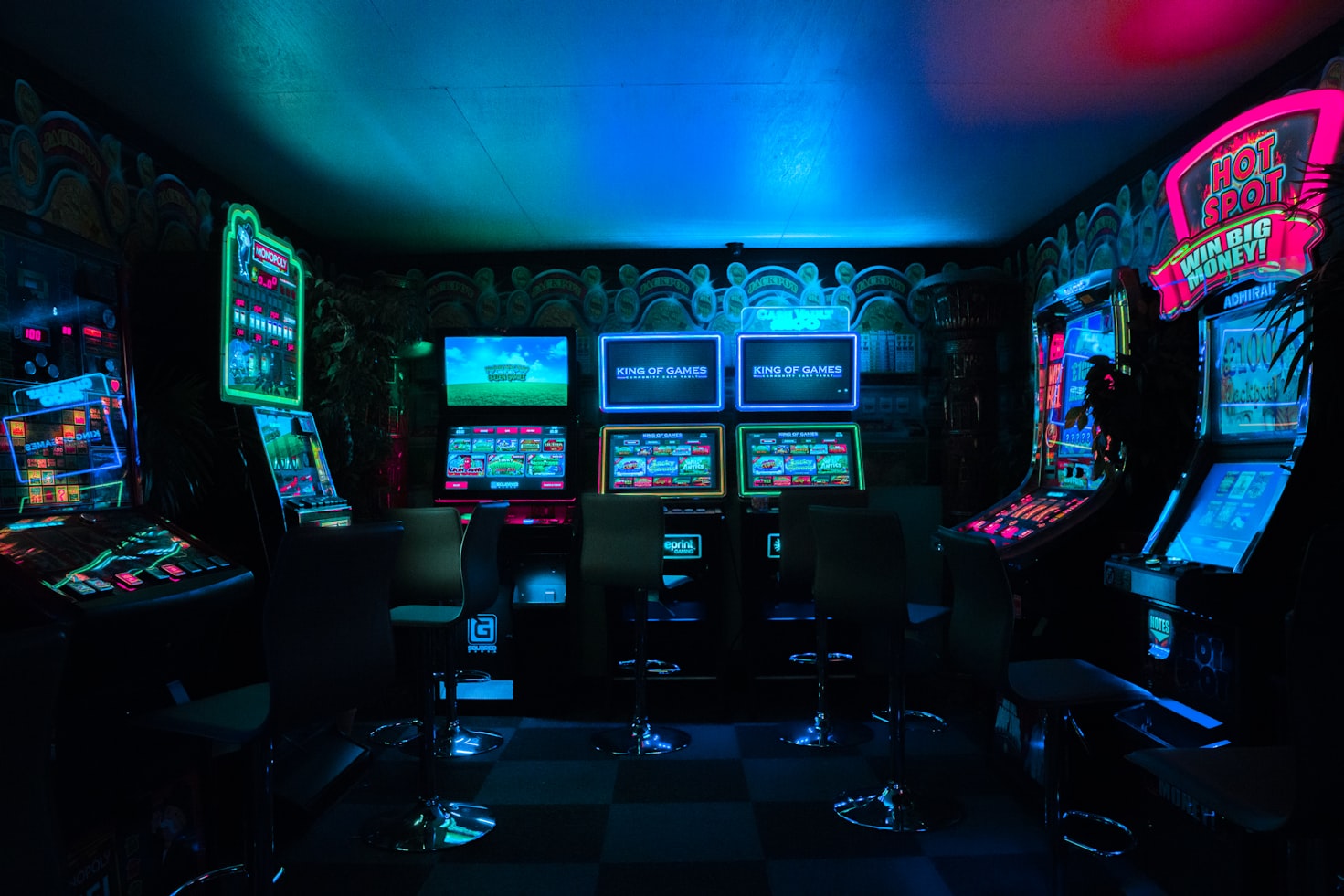
The casino environment is meticulously designed to leverage psychological principles that encourage sustained engagement. The intermittent reinforcement schedules, where wins are unpredictable but occur often enough to maintain motivation, are a prime example. This pattern can lead to a powerful conditioning effect, where players continue to play in the hope of the next reward, even after experiencing losses. The vivid sensory stimuli, such as flashing lights, sounds of winning, and the opulent decor, further contribute to an immersive and stimulating atmosphere.
Furthermore, the social aspect of casinos plays a crucial role. The shared experience of betting, the camaraderie at gaming tables, and the potential for social interaction can enhance the overall enjoyment. For some, it’s a form of entertainment and social gathering, while for others, it’s a stage for displaying confidence and strategic thinking. The concept of “risk-taking” itself is also a psychological draw, appealing to individuals who seek adrenaline rushes and the satisfaction of overcoming challenges, even if those challenges are orchestrated by chance.
A key philosophical aspect of the casino experience is the pervasive illusion of control. While many games are governed by pure chance, players often develop rituals, superstitions, or strategic approaches that they believe influence the outcome. This psychological phenomenon allows individuals to feel more invested and in command, transforming a passive act of chance into an active pursuit. This sense of personal involvement can deepen the emotional connection to the game.
Even in games with a significant skill component, like blackjack or poker, the house edge ensures that long-term profitability is skewed in favor of the casino. However, the perception of skill and the possibility of making winning decisions create a compelling narrative for the player. The satisfaction derived from outsmarting opponents or executing a sound strategy, even if ultimately temporary, is a powerful motivator that draws people back to the casino floor, seeking to replicate those moments of perceived mastery.
The inherent nature of casino operations brings significant ethical considerations to the forefront, particularly concerning responsible gaming. The industry’s reliance on chance and the potential for addiction necessitate a strong focus on player protection and harm reduction. Responsible operators implement measures to prevent underage gambling, provide self-exclusion options, and offer resources for individuals struggling with problem gambling. The philosophy here shifts from pure entertainment to a duty of care.
The allure of quick wealth and the excitement of the games can, for a vulnerable minority, escalate into destructive patterns of behavior. Therefore, the ethical framework of any casino operation must prioritize the well-being of its patrons. This includes transparent communication about odds, the implementation of betting limits, and the active promotion of responsible gaming practices. The casino’s thrill, while potent, must always be balanced with a commitment to ethical conduct and the support of those who may be susceptible to its darker side.
While the CRHS PTSA does not host actual gambling facilities, it often organizes events that might adopt the *theme* of a casino for fundraising or social gatherings. These “casino nights” are designed to capture the exciting atmosphere of a casino while offering a safe and controlled environment for community members. The focus is on entertainment, camaraderie, and supporting the school’s initiatives, rather than on genuine wagering.
These themed events at CRHS PTSA aim to replicate the fun and anticipation associated with a casino, perhaps through mock games or prize raffles. The underlying philosophy is to create a memorable and engaging experience for parents, teachers, and students, fostering a sense of community and shared purpose. It’s an opportunity to enjoy a playful, lighthearted environment that celebrates the collective spirit of the school, aligning with the PTSA’s mission of supporting student success and engagement.